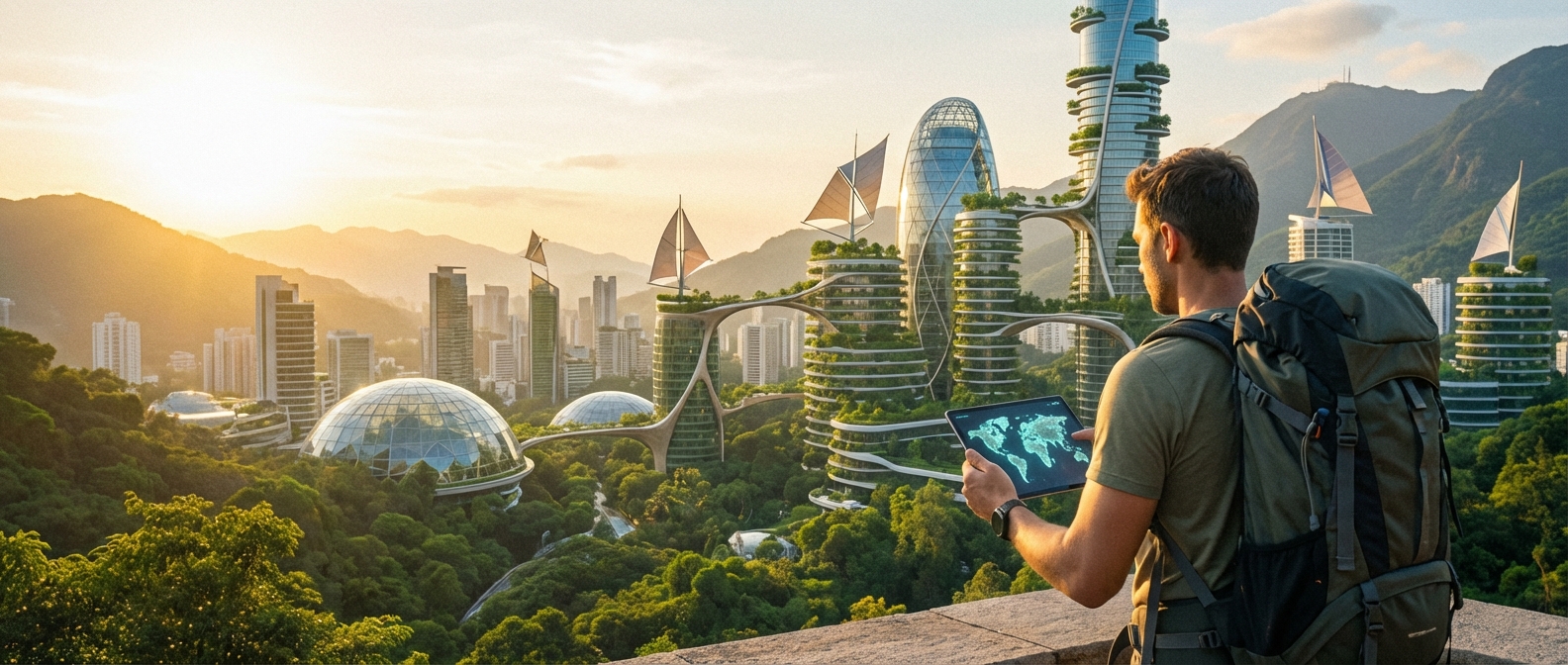
Smart Savings: Essential Budget Travel Hacks for Your 2026 Adventures
As we close the chapter on 2025, the wanderlust for the year ahead is stronger than ever. However, the travel landscape in 2026 is evolving. With fluctuating fuel prices and the rise of "experience-first" tourism, savvy travelers need to be more strategic than ever to make their money go further.
Planning your 2026 trips doesn't have to mean sacrificing quality for cost. By understanding the latest 2026 travel trends and utilizing smart booking strategies, you can explore the globe while keeping your finances intact. Here is your comprehensive guide to budget travel in the coming year.
1. Embrace the "Second City" Strategy
One of the most effective budget travel hacks for 2026 is the "Second City" approach. While major capitals often command premium prices, secondary cities offer authentic culture, fewer crowds, and significantly lower costs for accommodation and dining.
Instead of the typical European circuit, consider exploring the stunning architecture and vibrant thermal baths of Budapest. In North America, while major hubs are always popular, the coastal charm and culinary scene of Halifax offer incredible value for your 2026 summer getaway. By shifting your focus to these gems, you can often find boutique hotels for a fraction of the price of a standard room in a primary hub.
2. Timing Your Booking: The 2026 Window
In 2026, the traditional "last-minute deal" is becoming rarer as AI-driven pricing models become more sophisticated. For the best rates, the sweet spot for international flights is now roughly 6 to 8 months in advance.
However, for accommodation, flexibility is your greatest asset. Traveling during the "shoulder seasons"—typically April through June and September through October—remains the gold standard for budget seekers. For example, Rome is breathtaking in the late spring, offering milder weather and lower hotel rates than the sweltering, crowded peak of July.
3. Hotel vs. Resort: Which is Better for Your Budget?
Before booking, it is crucial to understand which accommodation type suits your 2026 travel goals. This choice can make or break your budget.
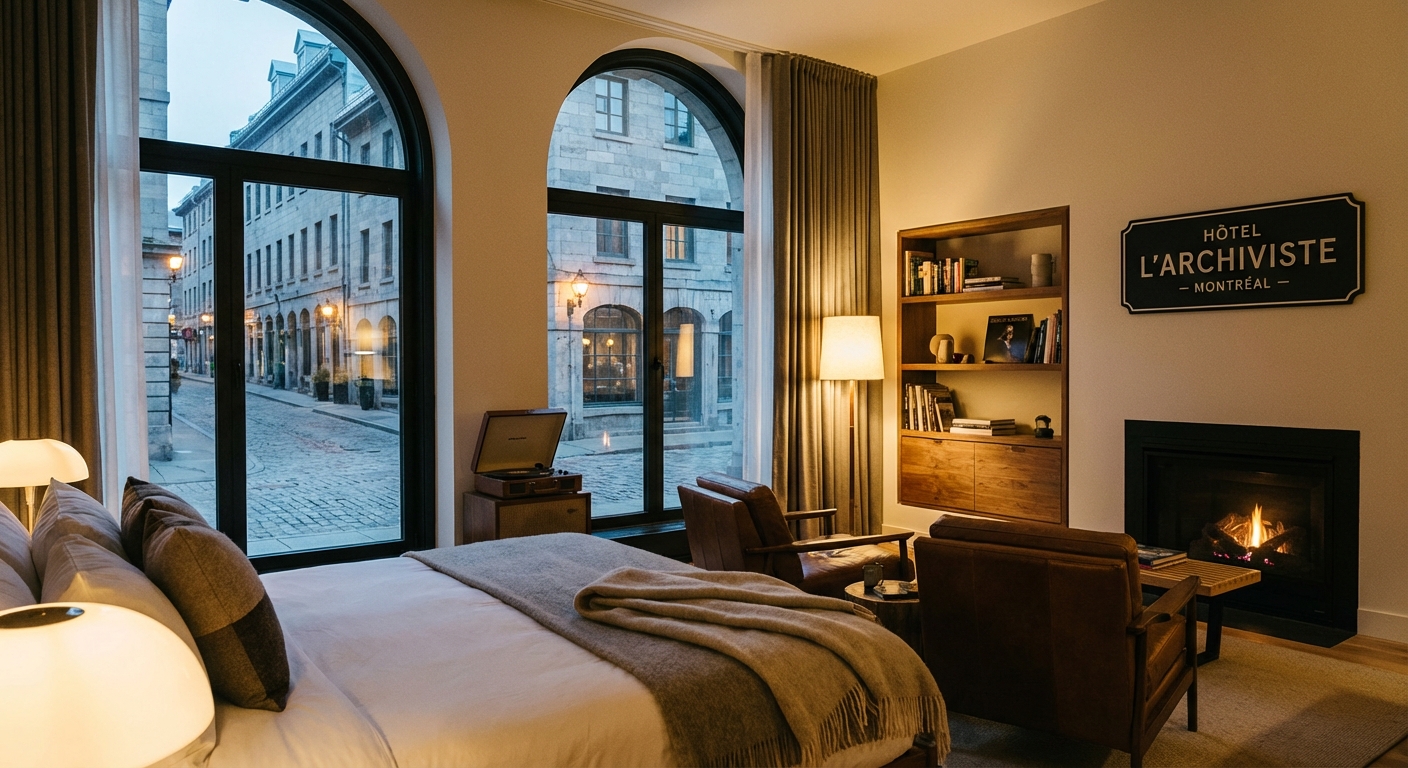
- Hotels: Best for urban explorers. If you plan to spend most of your time visiting museums in Montreal or dining out in Brussels, a centrally located hotel is often the most cost-effective choice. You pay for the room and location, not for amenities you won't use.
- Resorts: Best for relaxation and families. While the upfront cost may be higher, a resort in a destination like Cairns or Crete can actually save you money. All-inclusive or resort-style stays often bundle activities, beach access, and sometimes meals, preventing the "nickel and diming" that happens in high-traffic tourist zones.
To learn more about the specifics of different regions, check the official World Tourism Organization for updated travel advisories and regional economic trends.
4. Leverage Emerging Tech and Loyalty Programs
Technology in 2026 has made price tracking easier, but it has also made loyalty more rewarding. Many travelers make the mistake of booking through third-party aggregators and missing out on the long-term value of direct loyalty memberships.
Points and rewards systems have become more streamlined. By consistently using a single ecosystem for your bookings in 2026, you can earn free nights and room upgrades that would otherwise cost hundreds of dollars. Whether you are eyeing a trip to Cape Town or a ski adventure in Revelstoke, loyalty is often the bridge between a budget trip and a luxury experience.
5. Regional Highlights for Budget Seekers in 2026
If you are looking for specific destinations where your currency will likely stretch further in 2026, consider these options:
- South America: Medellín continues to be a hub for digital nomads and budget travelers, offering world-class dining at a lower price point than North American cities.
- Oceania: Beyond the major cities, Townsville and Dunedin offer stunning natural beauty and access to the Great Barrier Reef or coastal wildlife without the "big city" price tag of Sydney or Auckland.
- Asia: Kyoto remains a must-visit, and with strategic planning, the extensive rail network makes it an affordable base for exploring Japan.
Conclusion
Budget travel in 2026 isn't about deprivation; it’s about prioritization. By choosing secondary cities, understanding the value difference between hotels and resorts, and leveraging loyalty programs, you can see more of the world than ever before. Travel is a gift to yourself—an emotional investment that pays dividends in memories and personal growth.
Ready to start your journey? Start saving on every booking today. Sign up for Resort Rewards for free and start earning points toward free hotel stays for your 2026 adventures.
Have questions about a specific destination? Contact our team or log in to manage your upcoming itineraries.
Ready to start your own adventure?
Join Resort Rewards today and get complimentary hotel stays at top destinations.
Get Your Free Account